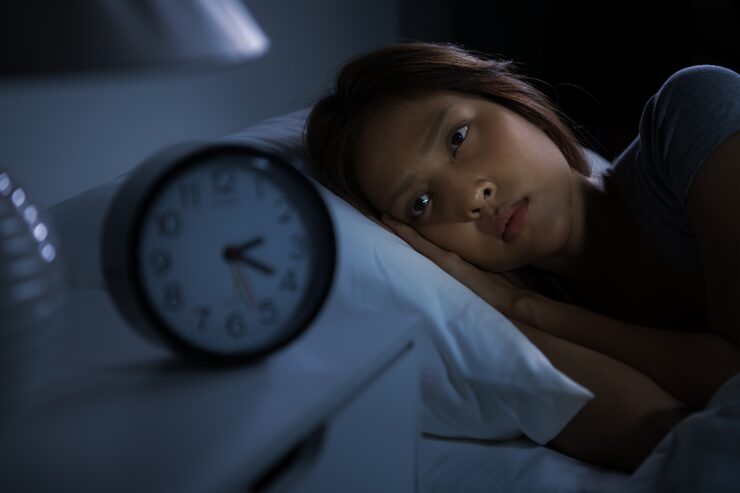
You toss and turn all night. You cannot fall asleep. You wake up exhausted. You wonder why you sleep so badly. Your teeth might be the problem. This sounds strange, but it is true. Poor oral health affects your sleep in real ways. Your teeth and mouth have a direct connection to how well you sleep. A dental office in Jacksonville can help you understand this connection. Sleep disorder treatment in Jacksonville includes dental care because your mouth plays a big role in your sleep quality. This guide explains how your teeth affect your sleep.
Understanding can oral health affect sleep helps you sleep better and feel healthier.
Many people do not realize their mouth affects their sleep. They think sleep problems are just normal. But poor sleep often comes from dental issues. When you fix your teeth, your sleep improves.
What Is Oral Health?
Oral health means the health of your teeth, gums, tongue, and mouth. Healthy teeth are clean and strong. Healthy gums are pink and do not bleed. Your tongue is clean. Your mouth does not have pain or infection.
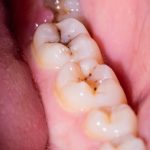
Poor oral health means cavities, gum disease, infections, or other problems. Your mouth hurts. Your gums bleed. You might have bad breath. These problems do not just stay in your mouth.
Dental problems and sleep issues are connected. They affect your whole body, including your sleep.
How Does Poor Oral Health Affect Sleep?
Your mouth and sleep are connected in several ways.
Pain Keeps You Awake
A toothache is terrible. The pain gets worse at night when you lie down. Blood rushes to your head. The pain becomes unbearable. You cannot sleep. You toss and turn. You feel frustrated. Pain disrupts sleep every single night.
Infections Cause Problems
Dental infections are serious. An abscessed tooth is especially bad. The infection causes swelling, pain, and fever. Your body is fighting the infection. You feel uncomfortable. Your sleep suffers.
Breathing Problems
Poor oral health can affect how you breathe. Gum disease and tooth problems can cause swelling in your mouth and throat. Swelling narrows your airway. You breathe less easily. You might wake up gasping for air. This ruins your sleep.
Grinding and Clenching
Many people grind their teeth at night. This is called bruxism. Grinding often happens because of stress, but poor oral health makes it worse. Grinding destroys your teeth. It causes pain. The grinding wakes you up. You cannot sleep deeply.
Mouth Breathing
At night, you breathe through your mouth because your nose is blocked or your mouth hurts. Breathing with your mouth is unnatural. It leads to a dry mouth. It brings distress. It interferes with sleep.
How Can Oral Health Problems Cause Sleep Issues?
| Oral Problem | How It Affects Sleep | Why It Matters |
| Cavities | Pain wakes you up. | Cannot sleep through pain |
| Gum disease | Infection causes discomfort. | Your body fights infection. |
| Abscessed tooth | Severe pain and swelling | Impossible to sleep |
| Teeth grinding | Clenching wakes you | Muscle tension prevents rest. |
| Loose teeth | Pain and movement | Constant discomfort |
| Mouth sores | Burning sensation | Pain keeps you awake. |
| Swollen gums | Breathing difficulties | The airway gets narrower. |
| Dry mouth | Uncomfortable feeling | Cannot get comfortable |
The Cycle Gets Worse
Poor sleep makes oral health worse. Poor oral health makes sleep worse. This creates a bad cycle.
When you do not sleep well, your immune system gets weak. A weak immune system cannot fight dental infections. Infections get worse. Pain gets worse. Sleep gets worse. Around and around it goes.
How to Fix This Problem
Fix your teeth first. See a dentist. Get treatment for cavities, gum disease, or infections. When your mouth is healthy, sleep improves dramatically.
See Your Dentist Regularly
Visit every six months. Catch problems early. Small problems are easy to fix. Big problems disrupt sleep.
Brush and Floss Daily
Healthy gums and teeth help prevent infections. Sleep problems occur due to infections. It is best to avoid them.
Wear a Nightguard
A nightguard protects your teeth if you grind them. Helps lessen pain. It assists in better sleep.
Steer Clear of Tough Foods.
Foods that are tough can hurt your teeth. Painful teeth disrupt sleep.
Handle Stress
Grinding and clenching due to stress. Meditation, exercise, and relaxation help. Less stress causes better sleep.
Sleep Better by Taking Care of Your Teeth
Do not ignore tooth pain. Do not accept bad sleep as normal. A dental office near you can help. Phelan & Bell Family Dentistry understands how oral health affects your whole life. We understand that poor teeth cause poor sleep. Our team will examine your mouth and find the problems. We will create a treatment plan. We will help you sleep better and feel healthier. Your sleep is precious. Your teeth are precious. Let us help you take care of both. Call us today and schedule your appointment. Better sleep is waiting for you.
Questions People Ask About Oral Health and Sleep
1: Can bad mouth health actually impact my sleep?
A: Yes. Teeth grinding, as well as dental pain and infections, will rob you of sleep and disrupt your rest every night.
2: What dental problems cause the worst sleep issues?
A: Cavities, gum disease, abscessed teeth, and teeth grinding are the biggest sleep disruptors because they cause pain and discomfort.
3: How long does it take for better sleep after fixing my teeth?
A: Many people sleep better within a few days of dental treatment and much better within a few weeks once pain and infection are gone.
4: Can a dentist help with my sleep problems?
A: Yes, a dentist can fix dental problems that cause sleep issues and recommend treatments like nightguards that help you sleep better.