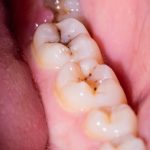
A sudden sharp pain when drinking cold water, eating ice cream, or breathing in cold air can make everyday activities uncomfortable. If you have wondered, “Why are my teeth sensitive to cold?”, the cause may be worn enamel, gum recession, tooth decay, or a cracked tooth. Sometimes, the discomfort lasts only a few seconds. In other cases, it may point to a dental problem that needs attention. Cold sensitivity happens when the inner part of a tooth becomes exposed to temperature changes. A dental examination can help identify the cause and guide appropriate treatment.
With family dentistry in Jacksonville, cold-sensitive teeth can be evaluated before the discomfort worsens. The right care depends on what is causing the sensitivity and how much the tooth has been affected.
What Causes Teeth to Hurt When Exposed to Cold?
Several dental problems can make teeth react to cold temperatures.
1. Worn Tooth Enamel
Enamel is the hard outer layer that protects your teeth. Brushing too hard, using a hard toothbrush, or eating acidic foods too often can damage this layer. When the enamel becomes thin, cold food and drinks can reach the sensitive parts inside the tooth and cause pain.
2. Receding Gums
Gums cover and protect the roots of your teeth. Sometimes, gums pull back and leave the roots exposed. Unlike the top part of the tooth, the roots do not have a hard enamel layer to protect them. This can make your teeth hurt when you eat or drink something cold.
3. Tooth Decay
A cavity creates a damaged area in the tooth. As decay moves deeper, cold drinks and foods may cause sharp pain. Early treatment can help prevent the damage from spreading.
4. Cracked or Chipped Teeth
Small cracks in your teeth can let cold air or drinks reach the sensitive parts inside. You may also feel pain when biting or chewing food.
5. Recent Dental Treatment
Some people have sensitive teeth for a short time after fillings, cleaning, or whitening. This usually gets better on its own. However, if the pain persists or worsens, visit your dentist.
When Should Tooth Sensitivity to Cold Be Checked?
Occasional sensitivity may not always mean there is a serious problem. However, do not ignore pain that keeps returning or becomes stronger.
Schedule a dental checkup if you notice:
- Sharp pain whenever you drink something cold.
- Sensitivity that continues after the cold food or drink is gone.
- Pain in one specific tooth.
- Discomfort when biting or chewing.
- Swollen or bleeding gums along with sensitivity.
A dentist in Jacksonville can examine the affected teeth and check for decay, cracks, exposed roots, or other problems. Severe pain, facial swelling, or fever may require prompt dental attention.
What Can a Family Dentist Do About Cold Sensitivity?
Treatment depends on the cause of the discomfort. During an examination, the dentist may check your teeth and gums and take dental X-rays if needed.
Possible treatments include:
- Desensitizing toothpaste: Helps reduce sensitivity to cold when used regularly.
- Fluoride treatment: Makes the outer layer of your teeth stronger and helps protect weak areas.
- Dental fillings: Fill holes in teeth and cover damaged areas.
- Bonding: Covers exposed tooth roots or small damaged areas when needed.
- Gum treatment: Addresses gum problems that expose tooth roots.
- Crowns: May protect a tooth with significant damage or a large crack.
Family dentistry near you can help identify the most suitable treatment, rather than simply covering up the pain.
How Can You Reduce Tooth Sensitivity to Cold at Home?
Simple daily habits may help reduce discomfort and protect your teeth.
- Use a soft-bristled toothbrush.
- Brush gently with fluoride toothpaste.
- Try toothpaste made for sensitive teeth.
- Avoid brushing immediately after acidic foods or drinks. Rinse with water and wait about 30 minutes before brushing.
- Limit frequent acidic drinks, such as soda and citrus juices.
- Avoid chewing ice or very hard foods.
- Keep up with regular dental checkups.
A dentist near you can also suggest changes to your brushing habits and recommend products based on your dental needs.
Keep Cold Tooth Sensitivity from Affecting Your Day!
Cold drinks and favourite foods should not cause repeated tooth pain. Finding the reason for sensitivity can help prevent further damage and make eating and drinking more comfortable. Contact Phelan & Bell Family Dentistry to schedule an examination, discuss your symptoms, and learn which treatment may help protect your teeth.
FAQs
Why do only some teeth hurt when drinking cold water?
Sensitivity in one tooth may be linked to a cavity, a crack, a worn filling, or an exposed root. An examination can help identify the exact cause.
Can sensitive teeth become normal again?
Yes, sensitivity may improve when the cause is treated. For example, fluoride or desensitizing toothpaste may help with mild sensitivity. However, enamel that has worn away does not grow back.
Does cold sensitivity always mean you have a cavity?
No. Cold sensitivity does not always mean you have a cavity. It can also happen when the gums pull back, tooth enamel wears down, a tooth cracks, or after dental treatment. A dentist can check your teeth to find the cause.
Why does my tooth still hurt after drinking cold water?
If your tooth keeps hurting even after you stop drinking cold water, the inside of the tooth may be irritated. Visit a dentist, especially if the pain is severe or occurs frequently.