Food caught between teeth after meals can be irritating. When the same spot traps food repeatedly, it may signal a change in the tooth or how neighboring teeth meet. This is because a cavity, worn filling, chip, or gap may leave a space where food collects. Seeking professional consultation with a dentist in Jacksonville can help address your concern.
Before looking through dental fillings in Jacksonville, it would be best to begin with understanding the common causes, safe ways to clear food, and when to seek assessment.
Common Reasons Food Becomes Trapped
Do you ever wonder why does food get stuck between teeth? Sometimes the contact between two teeth is naturally loose. In other cases, a tooth or restoration changes shape over time and leaves a space for food to wedge into.
Common causes include:
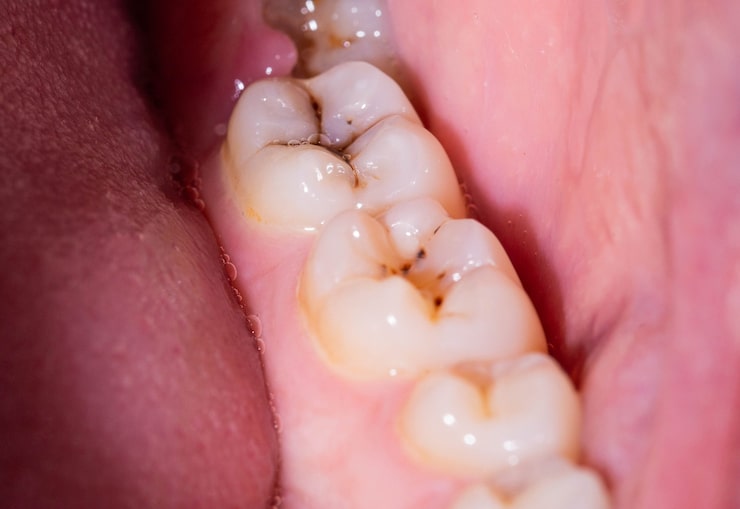
- Cavities: Decay may create an uneven surface or small hole that traps food, sometimes before pain begins.
- Worn or Damaged fillings: A chipped or worn restoration may leave a space or rough edge.
- Tooth-Shape Changes: A chip, wear, or tooth movement can change how adjacent teeth meet.
- Gaps and Gum Changes: Natural spacing or gum recession may leave openings where food collects.
Food trapping does not always mean decay. Therefore, it is important to go through an examination to help determine the cause.
What Can You Do Safely at Home?
Try gentle cleaning with dental floss or an appropriately sized interdental cleaner. Guide floss along each tooth rather than snapping it into the gums. A water flosser or suitable interdental brush may help with wider spaces.
Do not use pins, knives, or other sharp objects. They can injure gums or damage teeth. If food will not come out or the area becomes sore, stop and seek advice.
Why Repeated Food Trapping Should Be Checked
Food and plaque around the gumline can irritate tissues and contribute to decay. Seek a dental assessment if the same area traps food daily, floss shreds, a filling feels rough, or the gum repeatedly bleeds. Pain, swelling, a bad taste, or worsening sensitivity also deserve prompt attention.
An examination checks tooth contacts, restoration edges, decay, and gum health. X-rays may be needed to assess decay between teeth. Treatment depends on the cause and may involve cleaning guidance, repairing a restoration, treating decay, or addressing a gap. A dentist near you can help identify the source.
When Might a Filling Help?
If a cavity, chip, or damaged filling has changed the surface of a tooth, restoring that area may help prevent food from becoming trapped. A dental filling can repair certain areas affected by decay and rebuild the tooth’s shape.
When the contact between two teeth has been affected, the restoration may also need to be shaped carefully so the teeth fit together properly.
The appropriate treatment depends on how much damage is present and where it is located. Tooth-coloured materials are one option for restoring certain affected teeth.
A filling isn’t automatically necessary whenever food gets stuck. If the issue comes from natural spacing, gum recession, or tooth alignment, another solution may be more suitable.
Get Repeated Food Trapping Checked
Food getting stuck between your teeth may seem like a small problem, but a recurring pattern is worth paying attention to. If the same area continues to trap food or you’ve noticed changes around a filling, don’t rely on repeated cleaning alone to resolve it.
You may schedule a consultation with Phelan & Bell Family Dentistry to arrange an assessment, discuss what’s causing the problem, and determine the next steps for keeping your teeth and gums healthy.
Frequently Asked Questions
Does flossing make a gap between teeth wider?
No. When used correctly, floss cleans between the teeth without pushing them apart. Avoid forcing floss or other objects into a tight space. If a gap seems to have changed, have it checked rather than assuming flossing is responsible.
Why does floss shred around one tooth?
Floss that repeatedly frays or breaks in the same spot may be catching on a rough filling, chipped tooth edge, or hardened deposit. A dental assessment can help identify the cause, especially if the problem continues.
Can trapped food contribute to bad breath?
Yes. Food debris that remains between teeth can contribute to unpleasant odours, particularly when bacteria begin breaking it down. If bad breath continues even with regular brushing and interdental cleaning, other possible causes should be considered.
Is a water flosser enough to clean between teeth?
A water flosser can help remove debris and clean around the gumline, but it may not replace every other cleaning method. The right treatment depends on the spaces between your teeth, your restorations, and your individual oral health needs.
What details should I track if I have food stuck between teeth all the time?
Notice which tooth or area is affected, whether the problem occurs with particular foods, and whether floss catches or shreds there. It also helps to note any bleeding, discomfort, or sensitivity. Sharing these details during your dental visit can help narrow down the possible cause.