Are your teeth missing, and are you wondering what dental bridge option is right for you? Dental bridges in Jacksonville are routinely used to replace missing teeth. They help you eat, speak, and smile comfortably. When checking out dental bridges, you are likely to hear about two types of bridges: 2-tooth and 3-tooth. Even though they may seem similar, each one is geared to specific needs as per your oral health and the gap created by missing teeth.
This guide explains the differences in a simple, clear way so you can feel confident when discussing options with a dentist.
What is a Dental Bridge?
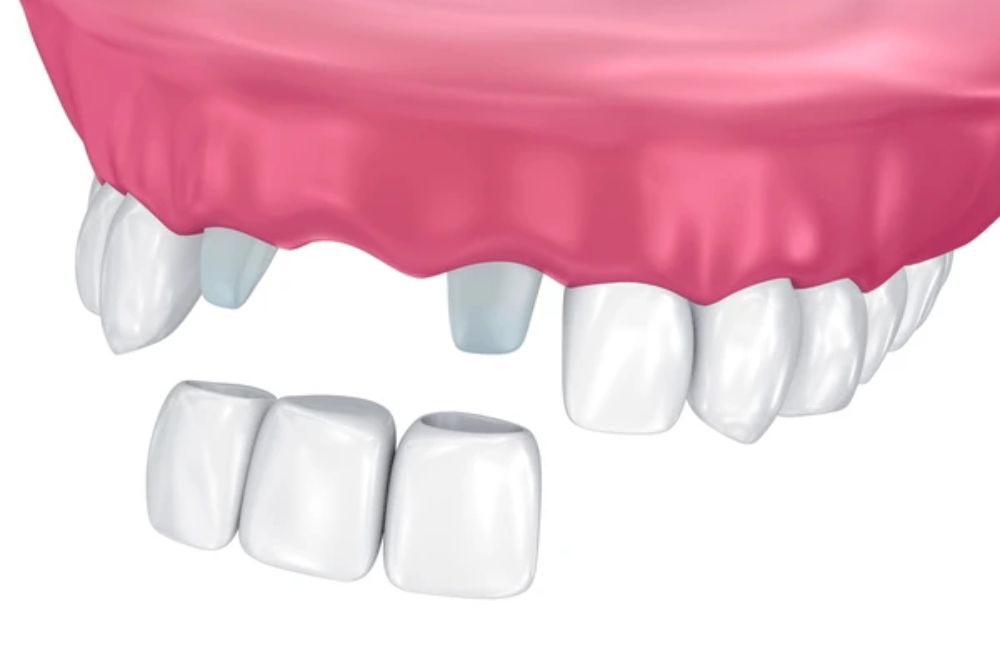
A dental bridge is a fixed tooth replacement that fills the gap left by one or more missing teeth. It is held in place by nearby natural teeth, which act as supports.
A bridge helps:
- Restore chewing ability
- Improve speech clarity
- Keep nearby teeth from shifting.
- Support facial shape
Understanding how many teeth are involved helps you choose the right bridge type.
What is a 2-Tooth Bridge?
A 2-tooth bridge usually replaces one missing tooth. It is supported by two teeth, one on each side of the gap.
How it Works
- One tooth is missing.
- Two nearby teeth are shaped to support the bridge.
- The replacement tooth sits between them.
When a 2-Tooth Bridge Is Used
- Only one tooth is missing.
- The surrounding teeth are healthy and strong.
- The gap is small
This option is often chosen when the missing tooth is between two stable teeth.
What is a 3-Tooth Bridge?
A 3-tooth bridge replaces one missing tooth, but it includes three connected parts: two supporting teeth and one replacement tooth.
How it Works
- The teeth on both sides of the gap support the bridge.
- The middle tooth fills the missing space.
- All three parts are joined together.
When a 3 Tooth Bridge Is Used
- Extra strength is needed.
- Supporting teeth need coverage.
- The area experiences strong bite pressure.
A 3-tooth bridge can offer added support in certain situations.
Key Differences Between a 2-Tooth and 3-Tooth Bridge
| Feature | 2 Tooth Bridge | 3 Tooth Bridge |
| Number of missing teeth replaced | 1 | 1 |
| Number of teeth involved | 2 | 3 |
| Support strength | Moderate | Higher |
| Tooth coverage | Minimal | More coverage |
| Common use | Small gaps | Areas with more bite pressure |
This comparison explains why one option may be recommended over the other.
Dental Bridge Procedure: What to Expect
The dental bridge procedure is similar for both types.
Step-by-Step Process
- Teeth next to the gap are prepared.
- Impressions are taken for a custom fit.
- A temporary bridge may be placed.
- The final bridge is cemented in place.
The process is usually completed in two visits.
What Affects the Dental Bridge Costs?
The cost of a Dental bridge is dependent on
- The number of involved teeth
- Material used
- State of nearby teeth
- Prepare yourself
A two-tooth bridge can be more expensive due to the lower cost of material than a three-tooth bridge.
How Long Do Dental Bridges Last?
Dental bridges can last 10-15 years or longer with proper maintenance and care.
To assist them in lasting.
- Brush two times a day.
- Gently floss around the bridge.
- Do not chew hard objects.
- Make regular trips to your nearby dentist.
With proper care, the bridge and teeth nearby would be fine.
Which Bridge Is Right for You?
It depends on the selection.
- What’s the number of missing teeth?
- Nearby teeth support strength.
- Biting pressure in that region.
- Objectives for oral health in the longer term.
A dentist near you will take a look at your mouth and suggest the option that offers the best comfort or longevity balance.
Benefits of Choosing the Right Bridge
Choosing the correct bridge type helps:
- Improve chewing comfort
- Maintain tooth alignment
- Reduce jaw strain
- Support long-term oral health.
The goal is not just to fill a gap, but to restore balance in your smile.
Explore Your Dental Bridge Options with Confidence!
Is a 2-tooth or 3-tooth bridge right for your smile? The caring team at Phelan & Bell Family Dentistry can walk you through your options and offer personalized guidance. Schedule a consultation today and take the next step toward a healthy, confident smile.
FAQs
Does getting a dental bridge hurt?
The procedure is usually comfortable. The dentist numbs the area before starting, so you should not feel pain during treatment. Afterward, some mild soreness or sensitivity is normal, but it usually fades within a few days.
Can a bridge be removed later?
Dental bridges are designed to stay in place and are not removable at home. However, they can be professionally replaced if they wear down, become damaged, or if your oral health needs change over time.
Do bridges look natural?
Yes. Modern dental bridges are carefully shaped and colour-matched to blend in with your natural teeth. Most people cannot tell the difference once the bridge is in place.
Can I eat normally with a bridge?
After a short adjustment period, most people return to normal eating habits. A dental bridge helps restore chewing strength and comfort, making it easier to enjoy a wide variety of foods again.