How can missing teeth affect your daily comfort and confidence? Gaps in your smile can make eating, speaking, and smiling more difficult. Many people look for stable, natural-looking solutions that do not involve complex treatments. Dental bridges in Jacksonville are a common option used to replace one or more missing teeth. A dental bridge helps restore balance to your bite and supports everyday oral function.
This guide explains what usually happens during a dental bridge procedure, step by step, in clear and simple language. Knowing what to expect can help reduce stress and make the process feel easier to understand.
What is a Dental Bridge and Why Is It Used?
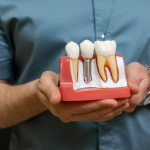
A dental bridge is a fixed tooth replacement that “bridges” the gap where a tooth is missing. It is held in place by nearby teeth or dental supports and does not need to be removed daily.
Dental bridges are part of common dental restoration procedures used to:
- Replace missing teeth
- Support chewing and speaking.
- Prevent nearby teeth from shifting.
- Maintain the natural shape of the face.
Bridges are designed to blend in with natural teeth and are planned based on a patient’s bite, spacing, and oral health.
Step 1: Your Initial Dental Visit
The process usually begins with a visit to a dentist in Jacksonville, residents trust for restorative care. During this visit, the dentist:
- Check your teeth and gums.
- Takes X-rays or digital scans
- Reviews your oral health history
This step helps determine whether a dental bridge is a suitable option. The dentist also explains the type of bridge that may work best and answers basic questions about the process.
Step 2: Preparing the Supporting Teeth
If a traditional bridge is planned, the teeth next to the gap are gently shaped. This allows the bridge to fit securely and sit comfortably with your bite.
What patients can generally expect:
- Local numbing for comfort
- Careful shaping of the tooth surface
- No sharp pain during the process
After preparation, an impression or digital scan is taken. This helps create a bridge that fits naturally with your smile.
Step 3: Temporary Bridge Placement
In the process of constructing the final bridge, a temporary bridge is often used. The prepared teeth are protected, which helps with everyday activities.
A temporary bridge helps:
- Shield delicate regions.
- Keep the same distance.
- Let one eat and talk.
Patients are generally cautioned against sticking or hard foods throughout this period.
Step 4: Getting the Final Bridge
Once the custom bridge is ready, you return for placement. The dentist checks the fit, color, and bite before securing it.
During this visit:
- The bridge is adjusted for comfort.
- Your bite is checked carefully.
- The bridge is fixed in place.
Most patients feel normal within a short time as they adjust to the new restoration.
Understanding Dental Bridge Costs
Many patients ask about Dental Bridge Costs before starting treatment. Costs can vary depending on:
- Number of missing teeth
- Type of bridge used
- Materials involved
- Individual dental needs
Since every month is different, a personalized evaluation helps provide accurate cost information. Dental teams usually explain payment options and coverage details clearly before treatment begins.
How Long Does the Dental Bridge Process Take?
The full process often takes:
- Two to three visits
- A few weeks from start to finish
Timeframes may vary depending on healing needs and the type of bridge selected.
How to Care for a Dental Bridge
Good care helps a dental bridge last longer. Patients are usually advised to:
- Brush twice daily
- Clean around the bridge carefully.
- Use floss or special cleaning tools.
- Visit a dentist near you for routine checkups.
Following daily care instructions helps protect both the bridge and surrounding teeth.
Looking to Restore Your Smile? Begin With Professional Advice!
A dental bridge is a reasonable and reliable way to replace missing teeth and restore your daily comfort. When patients understand every step, it may help them prepare. If you are interested in getting Dental Bridges, a licensed dental professional at Phelan & Bell Family Dentistry can assist in clarifying your individual needs as well as the treatment steps and care options. Book your appointment today!
FAQs
Would you feel pain if a dental bridge were made?
The majority of patients experience discomfort. During the treatment, the region is numbed, and any slight soreness typically goes away after a few days.
How long will a dental bridge last?
With proper dental hygiene and professional dental checkups, bridge work can last for many years. It is important to clean the house daily.
Can I eat normally with a dental bridge?
Yes. Once adjusted, most people eat comfortably. Dentists may suggest avoiding very hard foods at first.
Is a dental bridge removable?
No. Dental bridges are fixed in place and stay in the mouth. They do not need to be removed daily.