What is the connection between sleep disorders and oral health? Getting enough sleep is very important for overall health, but many people have issues that make it hard to rest well. There is a strong connection between them. Poor sleep can increase the risk of gum disease, teeth grinding, jaw pain, and other dental problems. At the same time, untreated oral issues can make sleep worse and affect overall health.
Recognising the link between sleep and dental wellness allows patients to take proactive steps. Early intervention from a qualified dentist can help manage sleep-related oral issues before they become more serious.
How Sleep Apnea Affects Oral Health
Sleep apnea is a common problem that affects both sleep and oral health. It makes you stop breathing for short periods during sleep, which can cause tiredness, headaches, and stress on your body. For your teeth, untreated sleep apnea can lead to:
- Teeth grinding (bruxism): Grinding your teeth often can wear them down, make them sensitive, and cause cracks or chips.
- Dry Mouth: Breathing through the mouth at night reduces saliva, which is essential for protecting teeth and gums. Dry mouth can lead to cavities and gum inflammation.
- Jaw and TMJ Strain: Continuous clenching may cause discomfort, clicking, or difficulty chewing.
Patients experiencing these symptoms may benefit from sleep disorder treatment in Jacksonville, Florida, which helps manage sleep issues while protecting oral health.
Signs That Sleep Disorders Are Affecting Your Oral Health
Some oral warning signs can indicate sleep problems. These include:
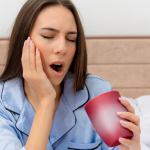
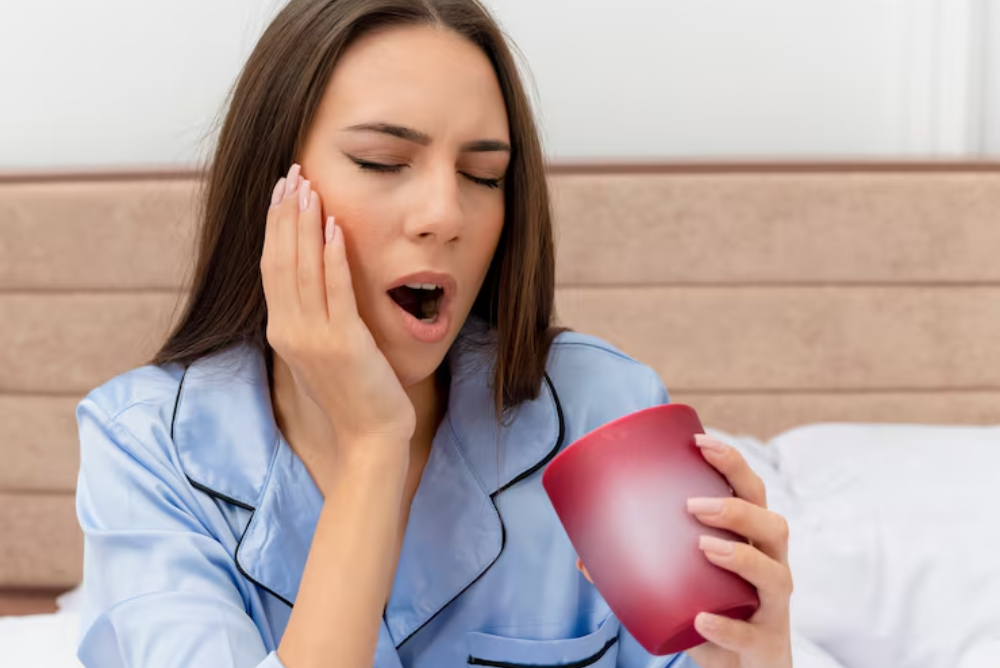
- Frequent headaches or jaw pain upon waking
- Cracked, chipped, or worn-down teeth
- Persistent dry mouth or unpleasant breath
- Swollen or bleeding gums
- Difficulty focusing during the day due to poor sleep
If these signs are present, consulting a dentist near you is important for early diagnosis and effective treatment planning. Regular dental examinations can detect the effects of sleep disorders on teeth and gums before permanent damage occurs.
The Broader Impact of Poor Sleep on Oral Health
Sleep problems don’t just hurt your teeth; they affect your whole mouth. Not sleeping well can weaken your body’s ability to fight infections like gum disease. Other effects include:
- Slower healing: Gums and mouth tissues take longer to get better if you don’t sleep enough.
- More swelling: Not sleeping well can cause more swelling and make gum problems worse.
- Skipping brushing: Feeling tired can make you skip brushing or flossing, which can cause more cavities and plaque.
Taking care of sleep problems can help keep your teeth and gums healthy.
Protecting Your Teeth While Managing Sleep Disorders
How to keep your teeth and gums safe if you have sleep problems:
- Custom night guards: Stop teeth grinding and reduce jaw pain.
- Stay hydrated: Chew sugar-free gum or use mouth rinses to keep your mouth from drying out.
- Good oral care: Brush twice a day and floss every day to keep teeth clean and prevent cavities.
- Regular dental checkups: Going to the dentist often helps catch worn teeth, gum problems, or infections early.
Combining these habits with professional sleep disorder treatment ensures both restorative sleep and healthy teeth.
Common Sleep Disorders and Their Dental Effects
Different sleep disorders affect oral health in unique ways:
- Obstructive Sleep Apnea: Can cause teeth grinding, dry mouth, and jaw pain. Mouth devices or CPAP machines can help.
- Insomnia: Makes it harder to keep your mouth clean, which can cause cavities and gum problems. Following a regular sleep schedule helps.
- Restless Leg Syndrome: Stress from this can lead to teeth-grinding. Managing stress and using a night guard can help.
- Narcolepsy: Acid reflux during sleep can wear down teeth. Changing your diet and using mouth rinses can protect your teeth.
Understanding these connections allows patients to take preventive action before serious damage occurs.
Choosing the Right Dentist for Sleep-Related Dental Care
Choosing a dentist who knows about sleep problems is important. A good dentist can:
- Notice early signs of sleep problems during regular checkups.
- Suggest custom devices to help with teeth grinding or snoring.
- Coordinate care with sleep specialists.
- Guide oral hygiene practices tailored for patients with sleep challenges.
Finding a dentist in Jacksonville, FL, experienced in these areas ensures that oral health is maintained while addressing sleep problems.
Transform Your Sleep and Smile with Professional Care!
Prioritising sleep health is just as important as maintaining your teeth and gums. By following preventive strategies, practising good oral hygiene, and seeking professional guidance, you can avoid long-term dental issues and enjoy a healthier, more comfortable life.
Book a visit at Phelan & Bell Family Dentistry today to get a treatment plan made just for you, expert advice, and complete care that helps you have a healthy smile and better sleep every night.
FAQs
Can sleep apnea harm my teeth?
Yes. Sleep apnea can cause teeth grinding and a very dry mouth. Over time, this can wear down your teeth, cause cracks, and lead to more cavities.
How can I tell if sleep problems are hurting my mouth?
Look for worn or chipped teeth, jaw pain, gum problems, or a dry mouth that doesn’t go away. A dentist can check and tell you if your sleep is affecting your teeth.
Can dental devices help with sleep problems?
Yes. Custom night guards and oral devices can stop teeth grinding, reduce jaw pain, and may even help with mild sleep apnea.
Does treating sleep problems help my teeth?
Definitely, treating sleep issues can stop teeth grinding, keep your mouth from getting too dry, and reduce gum problems, keeping your teeth healthier.