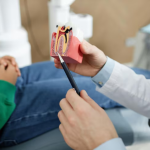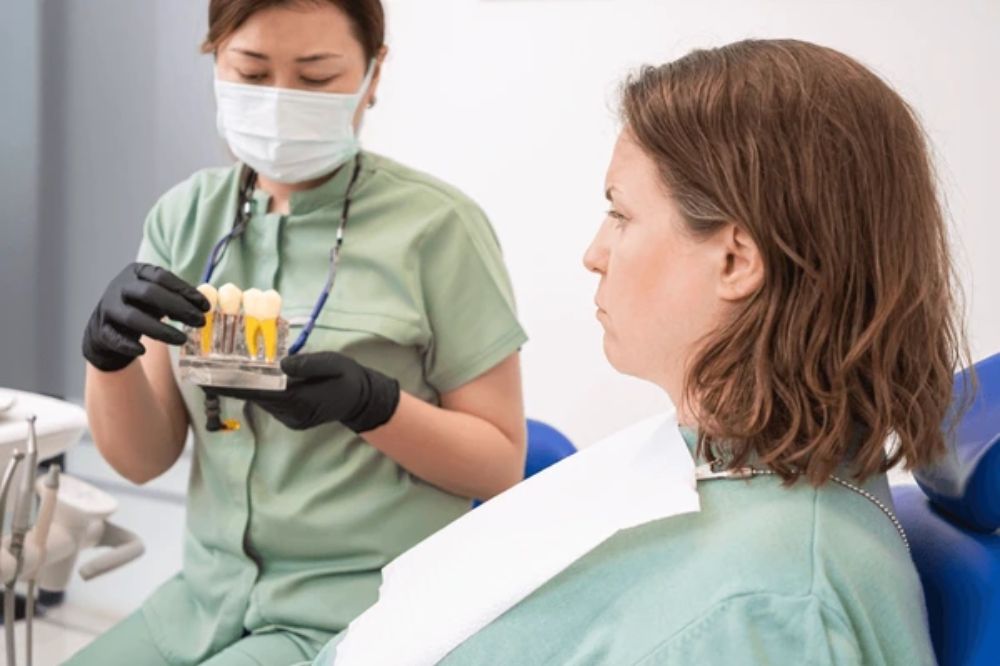
When a tooth is cracked, decayed, or weakened, a standard filling may no longer be enough to maintain its structural integrity. This is where restorative dentistry plays a vital role in preserving your natural smile.
If you are looking for high-quality dental crowns in Jacksonville, you are likely seeking a solution that offers both durability and aesthetic appeal.
Consulting with an experienced dentist in Jacksonville is the first step toward determining if a crown is the right choice to protect your tooth from further damage.
Why Is A Crown Necessary For Damaged Teeth?
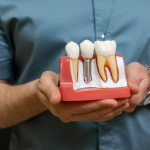
A dental crown is a protective “cap” that covers the visible part of a tooth.
Unlike a filling, which only fills a cavity, a crown surrounds the entire tooth to provide full support.
Visiting a dentist near you ensures the tooth is properly cleaned and prepared before the crown is placed.
Crowns are often used after a root canal, for large cavities, or to protect a cracked tooth, helping prevent the need for extraction.
What Are The Most Popular Dental Crown Options?
Modern technology has led to a variety of materials used in restorations, each suited for different parts of the mouth and other functional needs.
When exploring dental crown options, your provider will consider factors such as the tooth’s location, your bite force, and your aesthetic preferences. Common materials include:
- Porcelain or Ceramic: Best for front teeth, as they can be colour-matched to your natural enamel for a seamless look.
- Zirconia: Known for extreme durability, making it ideal for back molars that endure heavy chewing pressure.
- Porcelain-Fused-to-Metal (PFM): Offers a balance of strength and natural appearance, though a small dark line may appear near the gums over time.
- Gold and Metal Alloys: While highly visible, these are incredibly long-lasting and require the least amount of natural tooth removal.
How Does The Crown Placement Procedure Work?
The journey to a restored tooth typically involves two main visits to the dental clinic.
Understanding the crown placement procedure can help alleviate any anxiety regarding the treatment. During the first visit, the dentist numbs the area and prepares the tooth by removing a small amount of enamel to make room for the crown.
An impression or digital scan is then taken to serve as a blueprint for the dental lab. You will wear a temporary crown while your custom-made permanent restoration is being crafted, which ensures you can still eat and smile while you wait.
What Are The Long-Term Benefits Of Tooth Restoration?
A dental crown does more than fix a tooth; it helps keep your mouth healthy.
An untreated damaged tooth can cause shifting, jawbone loss, and pain. A crown reinforces the tooth, keeps your bite aligned, and your jaw healthy.
Modern crowns are stain-resistant, look natural, and can last 15 years or more with proper care.
How To Care For Your New Restoration At Home?
Once your permanent crown is bonded into place, maintaining it is important, just as we care for our natural teeth.
Although a dental crown will not decay on its own, the tooth beneath and the surrounding gum tissues can still decay due to bacteria. To ensure longevity:
- Daily Hygiene – Brush twice a day and floss carefully around the base of the crown to remove plaque.
- Avoid Hard Objects – Avoid chewing on ice, popcorn kernels, or hard candies, as these can chip the porcelain.
- Regular Check-ups – Visit your dental team twice a year to ensure the crown seal remains intact.
- Night Guards – If you grind your teeth at night, a custom guard can protect your restoration from excessive wear.
Crown Maintenance and Material Comparison
| Material Type | Primary Benefit | Best Location |
| All-Ceramic | Most Natural Appearance | Front Teeth (Incisors) |
| Zirconia | Maximum Strength | Back Teeth (Molars) |
| Gold Alloy | High Bio-compatibility | Hidden Back Molars |
| PFM | Strength + Aesthetics | Mid-Mouth Premolars |
Restoring Your Smile’s Strength and Beauty
Restoring a damaged tooth is an investment in your long-term oral health. Acting early helps preserve your natural tooth and can prevent more extensive procedures later.
A strong, well-fitted restoration lets you eat comfortably and smile with confidence.
At Phelan & Bell Family Dentistry, we provide personalized care and high-quality restorations with a gentle touch. If you have a weakened or damaged tooth, contact us today to schedule a consultation and restore your smile.
Frequently Asked Questions
Does getting a dental crown hurt?
The area is thoroughly numbed with local anesthesia during the preparation phase, so you should feel no pain during the treatment, only minor pressure.
How long do dental crowns usually last?
With excellent oral hygiene and regular professional cleanings, most dental crowns can last between 10 and 15 years, and sometimes even longer.
Will my crown look different from my other teeth?
Modern ceramic and porcelain materials are highly advanced, allowing the dentist to match the exact shade and translucency of your neighbouring natural teeth.
What should I do if my crown feels loose?
You should contact your dental office immediately; a loose crown can allow bacteria to get underneath, but it can often be cleaned and re-cemented if caught early.